

As technology continues to shape the way we live, work, and interact with our environments, the integration of smart home solutions has become a crucial consideration for interior designers and architects. The advent of smart home technology has not only transformed the functionality of our living spaces but has also profoundly influenced the aesthetic and design priorities of modern interior design.
The Evolution of Smart Homes and Interior Design
The relationship between smart home technology and interior design has evolved significantly in recent years, as homeowners have come to expect a seamless blend of form and function within their living spaces.
The Rise of the Connected Home
The concept of the smart home has gained widespread popularity, as homeowners increasingly demand integrated technology solutions that enhance their daily lives. From voice-controlled lighting and climate systems to automated security and entertainment features, the smart home revolution has ushered in a new era of intelligent, responsive, and personalized living environments.
The Changing Priorities of Interior Design
As smart home technology has become more prevalent, interior designers have had to adapt their approach to accommodate these advanced systems and ensure that they are seamlessly integrated into the overall design aesthetic.
The traditional focus on purely visual and spatial elements has expanded to include a greater emphasis on functionality, user experience, and technological integration.
Designing for the Smart Home Experience
Interior designers and architects must now consider a range of factors when creating living spaces that not only look visually appealing but also provide a sophisticated and technologically enabled user experience. Here are some key considerations for designing smart home interiors:
Seamless Integration of Smart Home Technology
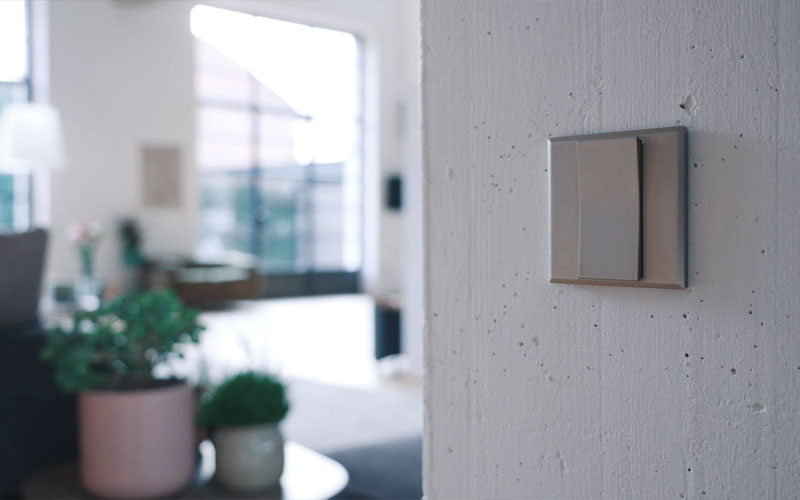
One of the primary challenges in designing for smart homes is ensuring that the integration of technology is seamless and unobtrusive. Interior designers must work closely with smart home technology providers to identify the most efficient and aesthetically pleasing placement of devices, such as sensors, control panels, and voice assistants, ensuring that they complement the overall design rather than detract from it.
This may involve the strategic placement of smart home components within cabinetry, behind walls, or within custom- designed furniture pieces, creating a cohesive and visually harmonious living environment.
Optimizing Functionality and User Experience
Smart home technology is not merely about incorporating the latest gadgets; it is about enhancing the overall functionality and user experience of the living space. Interior designers must work to create intuitive and user-friendly environments that seamlessly integrate smart home features, making them easily accessible and natural to use for the occupants.
This may involve the incorporation of touch-enabled surfaces, voice control interfaces, and personalized smart home settings that cater to the specific needs and preferences of the homeowners. By prioritizing functionality and usability, interior designers can ensure that the smart home experience is both convenient and empowering for the occupants.
Adaptability and Flexibility
As technology continues to evolve at a rapid pace, interior designers must consider the importance of adaptability and flexibility within smart home designs. By incorporating modular and scalable smart home solutions, as well as future-proofing the home’s infrastructure, designers can ensure that the living space can easily accommodate new technologies and changing homeowner needs over time.
This adaptability can be achieved using open-plan layouts, adaptable lighting systems, and the strategic placement of technology-enabled zones that can be easily reconfigured or upgraded, as necessary.
Energy Efficiency and Sustainability
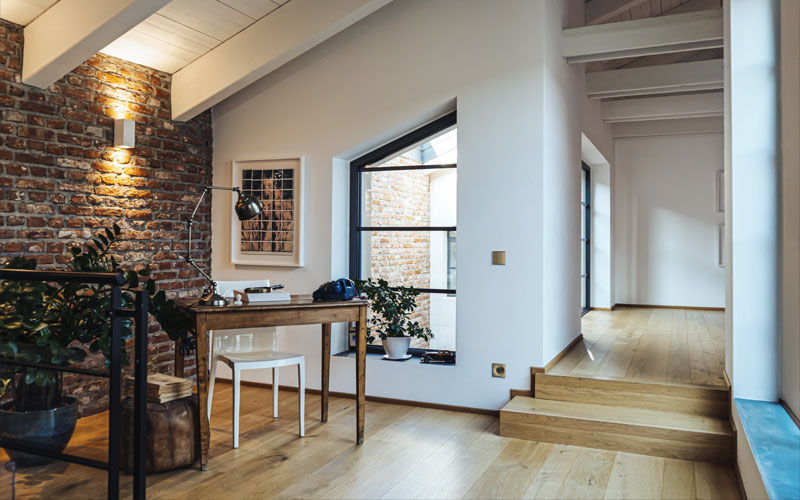
The integration of smart home technology also presents an opportunity for interior designers to prioritize energy efficiency and sustainability within their designs. By incorporating smart features like automated lighting, intelligent climate control, and renewable energy integration, designers can create living spaces that not only look visually appealing but also contribute to a more environmentally conscious and resource-efficient future.
This holistic approach to smart home design not only benefits the homeowners but also aligns with the growing societal focus on sustainable living and environmental responsibility.
The Aesthetic Impact of Smart Home Design
While the functional and technological aspects of smart home design are essential, interior designers must also consider the aesthetic implications of these advanced systems, ensuring that they enhance the overall visual appeal of the living spaces.
Minimalist and Discreet Design Aesthetics
One of the key trends in smart home design is the emphasis on minimalist and discreet aesthetics. Interior designers are increasingly prioritizing the seamless integration of smart home technology, ensuring that the devices and interfaces blend seamlessly into the surrounding environment, rather than standing out as prominent technological elements.
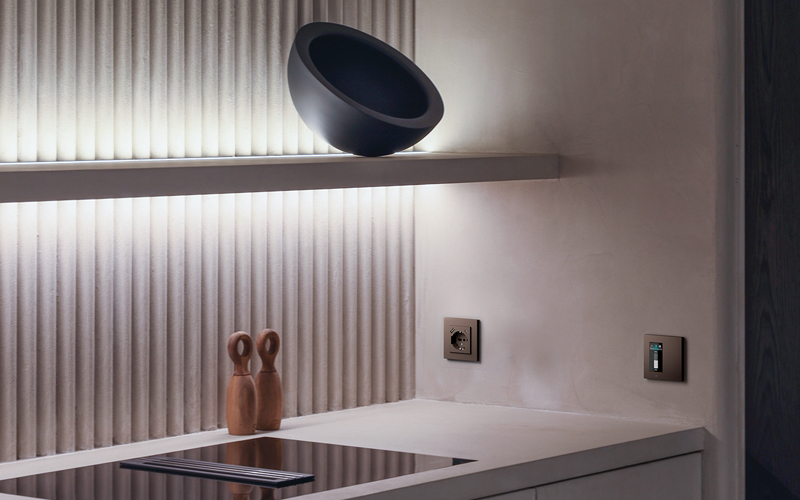
This can be achieved using recessed lighting, hidden speakers, and camouflaged control panels, creating a clean and uncluttered visual aesthetic that complements the overall design of the space.
Integrated and Multifunctional Design
Smart home technology also presents opportunities for interior designers to create integrated and multifunctional design solutions. By incorporating smart features directly into furniture, cabinetry, and architectural elements, designers can enhance the overall functionality of the living space while maintaining a cohesive and visually appealing design.
For example, a smart kitchen island could incorporate touchscreen controls, built-in wireless charging, and automated task lighting, all while seamlessly blending into the overall kitchen design. This integrated approach to smart home design not only optimizes the use of space but also reinforces the notion of technology as an integral and invisible part of the living environment.
Personalized and Customizable Aesthetics
Smart home technology also empowers interior designers to create highly personalized and customizable design solutions. By leveraging the programmable and adaptable nature of smart home systems, designers can tailor the lighting, colour schemes, and ambiance of a space to the specific preferences and needs of the homeowners.
This level of customization allows for the creation of unique and personalized living environments that reflect the individual tastes and lifestyles of the occupants, further enhancing the overall design experience.
The Future of Smart Home Design
As the smart home ecosystem continues to evolve, the role of interior designers and architects in shaping the future of living spaces will become increasingly crucial. Here are some of the emerging trends and advancements that are likely to shape the future of smart home design:
Increased Integration with Emerging Technologies
The integration of smart home technology with emerging technologies, such as artificial intelligence, augmented reality, and 5G connectivity, will enable even more sophisticated and responsive living environments. Interior designers will need to adapt their approach to accommodate these advancements, ensuring that the design seamlessly incorporates these new capabilities.
Sustainable and Eco-Friendly Design
As environmental consciousness continues to grow, the integration of smart home technology with sustainable and eco- friendly design solutions will become increasingly important. Interior designers will need to prioritize the integration of renewable energy sources, energy-efficient appliances, and smart home features that optimize resource consumption and reduce the overall carbon footprint of the living space.
Adaptive and Personalized Environments
The future of smart home design will also see a greater emphasis on adaptive and personalized living environments. By leveraging data-driven algorithms and machine learning, smart home systems will be able to anticipate the needs and preferences of occupants, automatically adjusting the lighting, temperature, and other features to create a truly personalized and responsive living experience.
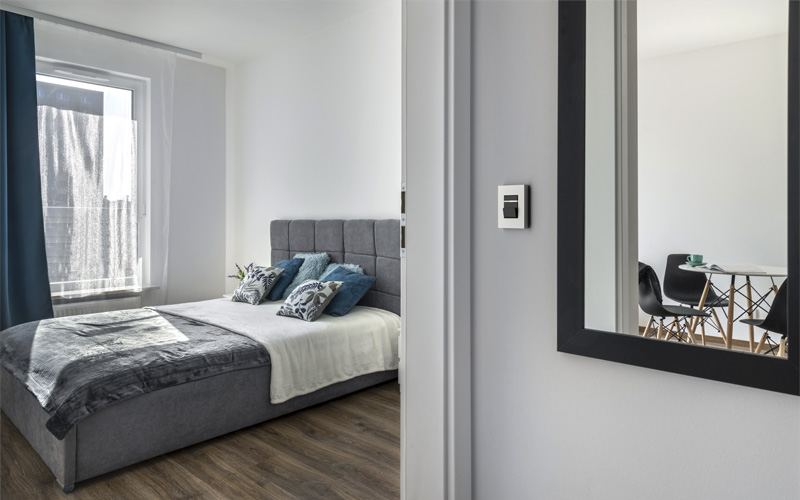
The integration of smart home technology has fundamentally transformed the landscape of interior design, requiring designers to consider a range of new factors and priorities when creating modern living spaces. By seamlessly blending cutting-edge technology with visually appealing and functionally optimized design, interior designers can create living environments that not only look beautiful but also enhance the overall quality of life for their occupants.
As the smart home ecosystem continues to evolve, the role of interior designers in shaping the future of living spaces will become increasingly crucial. By embracing the opportunities presented by smart home technology and adapting their design approach accordingly, interior designers can help pave the way for a more intelligent, sustainable, and personalized future of home design.
