

As smart home technology continues to gain mainstream adoption, there are still many misconceptions and myths surrounding its capabilities, cost, and overall impact on our lives. These myths can often deter potential homeowners from embracing the benefits of a connected and intelligent living environment. In this article, we will debunk some of the most common myths about smart homes and provide a more accurate understanding of this transformative technology.
Myth 1: Smart Homes Are Too Expensive
One of the most pervasive myths about smart homes is that they are prohibitively expensive and only accessible to the wealthy. While it is true that the initial investment in smart home technology can be higher than traditional home systems, the long-term benefits and cost savings often outweigh the upfront costs.
Many smart home devices and systems are now more affordable and accessible to the average homeowner. Additionally, the integration of smart technology can lead to significant energy savings, reduced utility bills, and even increased property value, making the investment a worthwhile one.
Furthermore, as smart home technology continues to mature and become more mainstream, the prices of these solutions are expected to continue dropping, making them even more accessible to a wider range of homeowners.

Myth 2: Smart Homes Are Overly Complex and Difficult to Use
Another common myth is that smart home technology is overly complex and difficult for the average homeowner to understand and operate. While some early smart home systems may have been challenging to set up and use, the industry has made significant strides in developing intuitive and user-friendly interfaces.
Today’s smart home solutions are designed with the user experience in mind, featuring simplified controls, voice-activated commands, and mobile apps that make it easy for homeowners to manage their connected devices and systems. Many smart home platforms also offer step-by-step installation guides and comprehensive customer support to ensure a seamless integration process.
As the technology continues to evolve, smart home systems are becoming increasingly automated and adaptive, requiring minimal user input, and allowing homeowners to enjoy the benefits of a connected home with ease.

Myth 3: Smart Homes Compromise Privacy and Security
One of the most prevalent concerns about smart homes is the perceived threat to privacy and security. The idea of having interconnected devices and systems that can access and potentially share personal data has understandably raised some alarm bells among homeowners.
However, the reality is that modern smart home technology is designed with robust security measures and privacy safeguards in place. Reputable smart home providers employ advanced encryption, secure communication protocols, and rigorous data protection policies to ensure that homeowners’ personal information and activities are kept private and secure. Additionally, many smart home systems offer features like two-factor authentication, remote access controls, and the ability to monitor and restrict device access, providing homeowners with a greater level of control over their data and security.
While no system is entirely foolproof, smart home technology has made significant strides in addressing privacy and security concerns, and many homeowners find that the benefits outweigh the risks.
Myth 4: Smart Homes Are Only for Tech-Savvy Homeowners
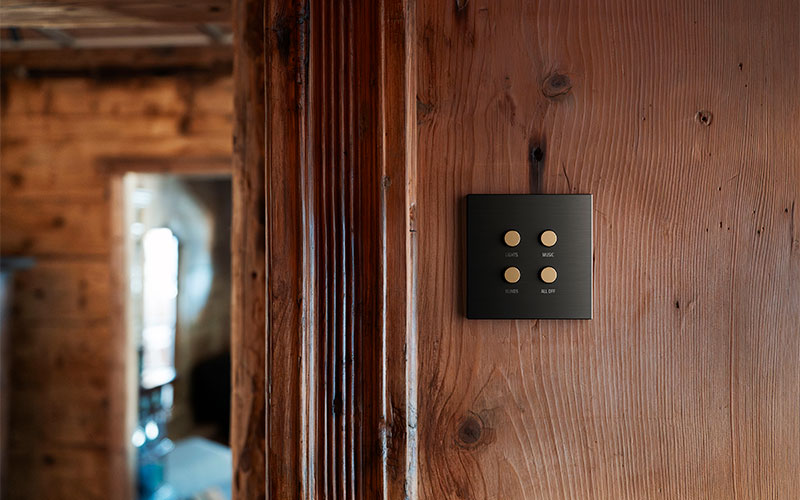
Another common misconception is that smart home technology is only accessible and appealing to tech-savvy individuals who are comfortable with the latest gadgets and innovations. However, the reality is that smart home solutions are designed to cater to a wide range of homeowners, regardless of their technical expertise.
Many smart home systems are intentionally designed to be user-friendly, intuitive, and accessible, with simple interfaces and voice-activated controls that make it easy for even the least tech-savvy individuals to manage their connected home.
Additionally, the increasing prevalence of smart home technology in the mainstream market has led to a growing familiarity and comfort level among homeowners of all ages and technical backgrounds.
Furthermore, the benefits of smart home technology, such as improved energy efficiency, enhanced security, and increased convenience, are universal and appeal to a diverse range of homeowners, regardless of their technological proficiency.
Myth 5: Smart Homes Are Susceptible to Hacking and Cyber Attacks
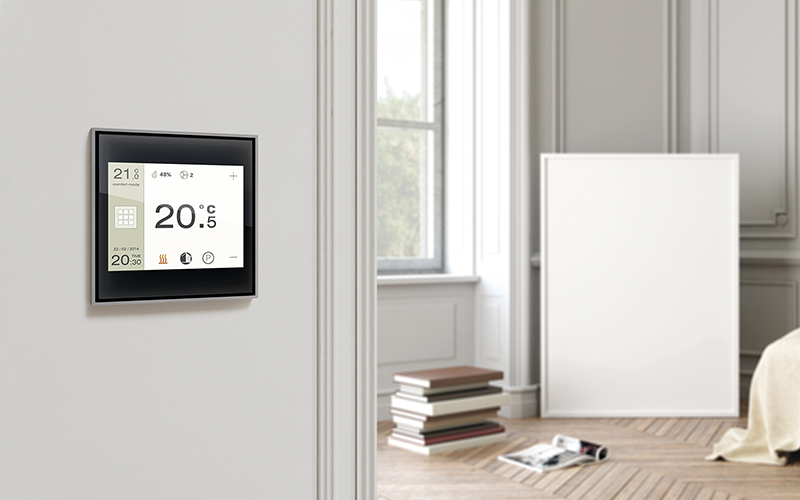
One of the most persistent myths about smart homes is the concern that they are vulnerable to hacking and cyber-attacks, potentially putting homeowners and their families at risk. While this is a valid concern, the reality is that smart home technology has made significant strides in addressing these security risks.
Smart home providers and manufacturers are now employing robust security protocols, regular software updates, and advanced encryption to protect their systems from potential cyber threats. Additionally, many smart home devices and platforms offer features like two-factor authentication, remote access controls, and the ability to monitor and restrict device access, giving homeowners greater control over their home’s security.
While no system is entirely foolproof, the security measures implemented by reputable smart home providers are generally on par with, or even exceed, the security standards of traditional home systems. Homeowners who choose to invest in smart home technology from trusted brands can rest assured that their homes and personal information are well-protected against cyber threats.
Myth 6: Smart Homes are Harmful to the Environment
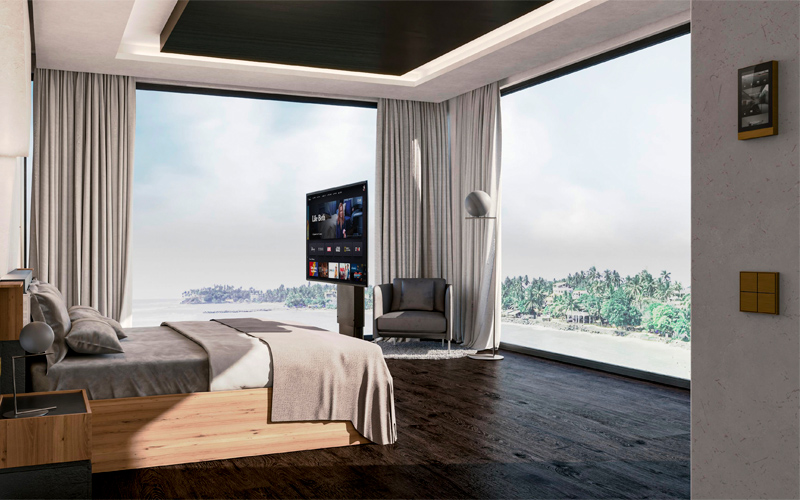
Another common myth about smart homes is that they are inherently harmful to the environment due to their reliance on technology and electricity. However, the reality is that smart home technology can actually contribute to a more sustainable and eco-friendly living environment.
Many smart home features, such as intelligent lighting, energy-efficient HVAC systems, and automated appliances, are designed to optimize energy consumption and reduce waste. By automating these systems and providing real-time data on energy usage, smart homes can help homeowners make more informed decisions about their energy consumption and take steps to reduce their environmental impact.
Additionally, the integration of renewable energy sources, such as solar panels and energy storage systems, can further enhance the eco-friendly capabilities of smart homes, reducing their reliance on traditional grid-supplied electricity and contributing to a more sustainable future.
While the initial manufacturing and production of smart home devices may have some environmental impact, the long-term benefits of energy efficiency and reduced waste often outweigh these concerns, making smart homes a viable and sustainable option for modern homeowners.

Conclusion
As the smart home industry continues to evolve and gain mainstream acceptance, it is important to address the common myths and misconceptions that may be preventing some homeowners from embracing this transformative technology. By debunking these myths and providing a more accurate understanding of smart home capabilities, we can empower homeowners to make informed decisions and reap the many benefits of a connected and intelligent living environment. From affordability and user-friendliness to security and environmental impact, smart home technology has come a long way in addressing the concerns of the average homeowner. As the industry continues to innovate and adapt to the needs of modern homeowners, the future of smart homes looks brighter than ever, offering a glimpse into a more efficient, convenient, and sustainable way of living.
